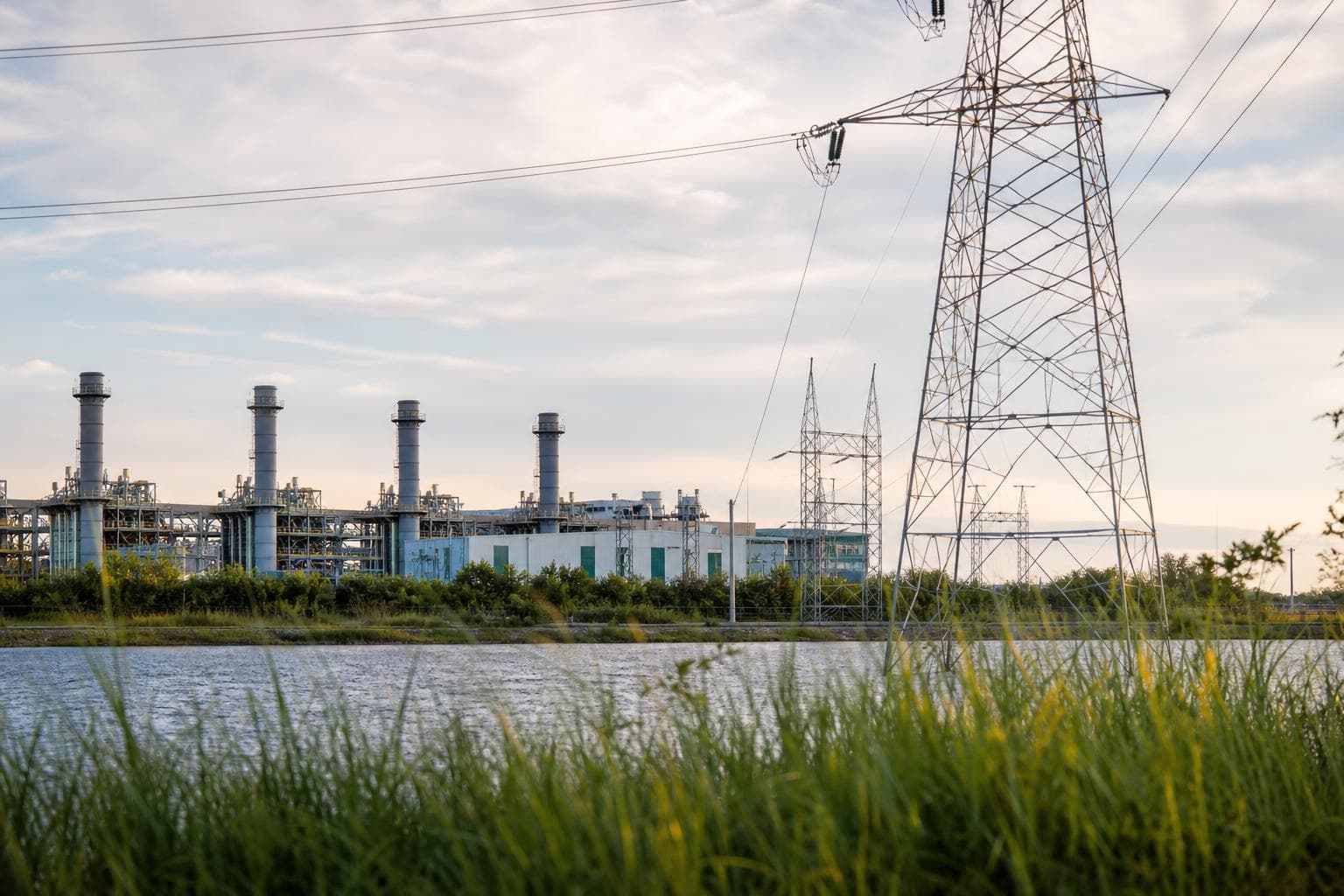
Is this utility built for lasting returns?
Public Service Enterprise Group is a US utility company that generates and delivers energy to customers through regulated operations. The business is built around long-lived infrastructure, with spending and maintenance that tend to be ongoing rather than optional. With a market value around USD 39.6 billion, it sits at a scale where incremental changes in earnings and capital spending can move a lot of dollars. For investors, the appeal is usually durability and predictability—but the tradeoff is how much reinvestment the system continuously demands.
Are rising revenues masking cash pressure?
FundamentalsIn 2025, reported in USD, revenue reached about USD 12.2 billion, alongside EBIT of roughly USD 3.0 billion and net income of about USD 2.1 billion. Revenue grew 18.3% versus the prior year, while trailing operating and net margins were 25.47% and 17.69%, respectively.
The cash flow proxy was about USD 702 million after subtracting capital spending, and that capital spending was sizable at roughly USD 3.3 billion against depreciation and amortization of about USD 1.3 billion. Total debt was around USD 2.4 billion, and trailing ROE was 13.32%.
Is the market overpaying for stability?
DCF / MultiplesAt USD 79.51 per share, the stock trades well above the DCF-implied range, which remains negative even under stronger assumptions. On headline pricing, the shares also trade at 17.51x trailing earnings and 13.75x EV/EBITDA.
Durability Meets Valuation Risk
TakeawayThe price leans on durability that the cash math doesn’t support. The business case depends on sustained earnings and disciplined reinvestment. Heavy capital spending can quietly drain owner cash. If cash stays thin, valuation pressure can arrive fast.